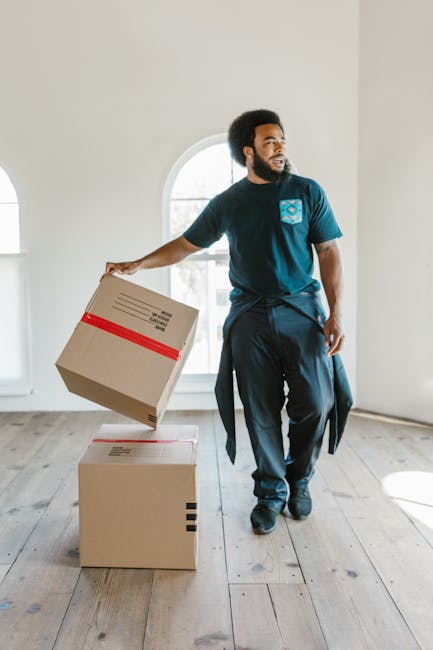
Common problems with Kennington basement moves and removals
If you are planning a basement move in Kennington, you already know it is rarely a simple lift-and-load job. Narrow stairs, tight turns, low ceilings, awkward parking, damp storage areas, and heavy furniture all tend to show up at the same time. That is where the common problems with Kennington basement moves and removals start to bite. The good news? Most of them can be managed with the right preparation, the right vehicle, and a moving team that understands the quirks of basement access in older London properties.
This guide breaks down what usually goes wrong, why it matters, and how to avoid the sort of moving-day headaches that can turn a straightforward removal into a drawn-out slog. You will also find a practical checklist, a comparison table, and a real-world example that reflects the kind of issues people run into in Kennington all the time. Let's face it, basements have character. Sometimes too much character.
Table of Contents
- Why Common problems with Kennington basement moves and removals Matters
- How Common problems with Kennington basement moves and removals Works
- Key Benefits and Practical Advantages
- Who This Is For and When It Makes Sense
- Step-by-Step Guidance
- Expert Tips for Better Results
- Common Mistakes to Avoid
- Tools, Resources and Recommendations
- Law, Compliance, Standards, or Best Practice
- Options, Methods, or Comparison Table
- Case Study or Real-World Example
- Practical Checklist
- Conclusion
- Frequently Asked Questions
Why Common problems with Kennington basement moves and removals Matters
Basement moves are different because the access is rarely designed around modern moving equipment. In Kennington, that can mean Georgian or Victorian-style properties with steep internal stairs, older conversions, shared entrances, or basement rooms that were originally never intended to handle bulky household furniture. When a sofa, wardrobe, or office desk has to come up those stairs, friction builds fast.
The practical problem is not just inconvenience. It affects timing, safety, cost, and even whether the move can happen at all in one visit. A team may need extra labour, a different vehicle, protective packing, or a staggered loading plan. If any of those are missed, the whole day becomes harder than it needs to be.
For home moves, the issue can be stressful. For business or storage clearances, it can get expensive. If you want a broader overview of removal options, the general removals service page is useful for understanding the wider process, while man with van support can be a practical fit for smaller, access-heavy jobs.
Expert summary: The main challenge in basement removals is rarely the distance itself. It is access, handling space, and planning around the building, not just the load.
How Common problems with Kennington basement moves and removals Works
A basement move usually begins with access checks. A mover looks at stairs, doorway width, turning space, street parking, and how far items must travel from the basement to the vehicle. In simple terms, the job is not just "move these items"; it is "can these items physically and safely exit the property without damage or delay?"
That is why experienced crews often ask for photos, measurements, or a short walkthrough before the day. A 3-seater sofa might look manageable in a living room, but once it reaches a tight basement landing with a low ceiling and a left-hand turn, it suddenly becomes a different problem. Same with fridges, exercise machines, filing cabinets, and flat-pack furniture that is no longer flat.
In Kennington, parking is also part of the puzzle. If the van cannot park close enough, carrying distance increases. That affects labour time and can raise the chance of knocks, slips, or fatigue. A careful plan makes a big difference here. If you are comparing service styles, a moving van can suit compact moves, while a moving truck may be better when volume is high or the job includes multiple large items.
To be fair, most basement move issues are predictable. That is the encouraging part. If you know what to look for, you can usually prevent the awkward bits before they start.
Key Benefits and Practical Advantages
Handling basement removals properly is not only about avoiding trouble. It also gives you a cleaner, calmer move overall. When the access plan is right, you get better timing, less breakage, less stress, and fewer "we'll need to carry that again" moments. Nobody enjoys that bit.
- Less damage risk: Protective wrapping, correct lifting angles, and the right team reduce scrapes on walls, banisters, floors, and furniture.
- Better time control: Clear access planning means fewer delays at the property and on the street.
- More accurate pricing: The more clearly the access is understood, the more realistic the quote becomes.
- Lower physical strain: Basement stairs and awkward turns are hard work; a good setup protects both people and belongings.
- Smoother coordination: If the removal team knows what to expect, the whole job feels more organised.
There is also a mental benefit that gets overlooked. When the move is planned around the awkward stuff first, the rest of the day feels easier. You are not firefighting. You are just moving.
If your move is part of a wider house move, it can help to explore home moving support or a more specialist house removals service if the basement is only one part of the job.
Who This Is For and When It Makes Sense
Kennington basement removals matter for a lot of people, not just homeowners. The same access issues show up for renters, landlords, small businesses, and anyone clearing stored items from lower-ground rooms. If your property has a basement entrance off the street, shared hall access, or a staircase that feels just a bit too narrow for comfort, this guide is for you.
It also makes sense if you are moving:
- heavy furniture from a basement flat
- boxes and archive items from a lower-ground storage area
- appliances out of a converted basement
- office equipment from a basement workspace
- single items that need careful pick-up and transport
For smaller collections or one-off item moves, a man and van removals option can be sensible. For businesses relocating stock, files, or office furniture, the more structured approach of office removals or even commercial moves may be the better fit.
When does it make sense to bring in professionals rather than winging it with friends and a borrowed van? Usually earlier than people think. If the item is awkward, heavy, valuable, or stuck behind a staircase bend, professional handling starts to look very reasonable very quickly.
Step-by-Step Guidance
Here is a practical way to approach basement moves in Kennington without losing the plot halfway through.
- Inspect the basement access. Check ceiling height, stair width, turns, handrails, and door clearances. Take photos from both top and bottom if possible.
- Measure the biggest items. Don't just guess. A tape measure can save a lot of hassle. Measure wardrobes, sofas, mattresses, desks, and white goods.
- Identify fragile or high-value items. Glass, mirrors, art, electronics, and antiques may need extra wrapping and separate handling.
- Plan the route outside. Think about pavement width, loading distance, permits, and whether parking is likely to be tight.
- Choose the right transport. A smaller vehicle may be easier if access is limited; a larger load space may reduce trips if volume is high.
- Prepare protective materials. Blankets, straps, shrink wrap, cardboard corner protectors, and floor coverings all help.
- Decide what should be moved first. Heaviest and most awkward items often need to go before smaller boxes clutter the stairwell.
- Keep the route clear. Shoes, bins, tools, pet gates, and loose clutter can all cause delays or trips.
- Confirm timing and arrival details. Basement moves are easier when everyone knows when the vehicle is arriving and who is managing access.
- Build in contingency time. If there is a narrow stair or a basement turn, expect the unexpected. Honestly, a spare 20 minutes can feel generous and still disappear fast.
A small but useful detail: if the basement itself is damp or cool, cardboard can soften, labels can peel, and some surfaces become a bit slippery. It sounds minor until it is 8:00 on a grey London morning and someone is trying to carry a box down a slightly wet step. Little things matter.
Expert Tips for Better Results
In our experience, the best basement moves are the ones where the mover does not try to be heroic. They are the ones where the access problem is respected from the start.
- Photograph the awkward bits. Staircases, turns, basement windows, and entrance steps tell a better story than a vague phone description.
- Separate the "problem items". Tell the mover in advance which items are heavy, delicate, or unusually shaped.
- Use packing that suits the route. Uniform box sizes stack better and are much easier on stairs.
- Protect walls and bannisters early. Waiting until the first scrape is a bit late, really.
- Move in stages if needed. Sometimes it is smarter to load the most awkward items first and return for the easier ones later.
- Ask about insurance and safety practices. Reputable movers should be able to explain how they manage risk and protect items in transit. If you want to review that sort of information in advance, insurance and safety guidance is worth reading alongside the company's health and safety policy.
One more thing. If the job includes packing or unpacking, that can be a huge relief on a basement move day. A service like packing and unpacking services helps keep the flow organised, especially when the access itself is the hard part.
Common Mistakes to Avoid
People often make the same mistakes with basement removals, and they are usually avoidable.
- Underestimating access problems. A "quick move" can become a long one if the stairs are tighter than expected.
- Forgetting about parking distance. A van parked half a street away means more carrying, more fatigue, and more time.
- Not measuring furniture. Guessing with a sofa is asking for trouble.
- Using the wrong van size. Too small means repeat trips; too large can be awkward in tight streets.
- Leaving packing until the last minute. Loose items slow everything down.
- Ignoring moisture or dust in basements. It affects grip, cleanliness, and sometimes item condition.
- Assuming every mover handles basements well. Not all removal services are equally comfortable with tricky access.
There is also a subtle mistake people make: they describe the move from memory rather than from the building itself. "It's just a couple of stairs" can mean anything in London. Couple for whom? That is the question.
Tools, Resources and Recommendations
You do not need a warehouse of equipment, but the right tools make basement work safer and cleaner.
| Item | Why it helps | Best used for |
|---|---|---|
| Furniture blankets | Reduce scratches and impact damage | Sofas, tables, wooden furniture |
| Ratchet straps | Keep items steady in the van | Appliances, wardrobes, stacked boxes |
| Cardboard corner guards | Protect edges during tight turns | Chairs, shelving, frames |
| Floor runners | Limit dirt and scuffing on stairs and hallways | Shared entrances and polished floors |
| Gloves with grip | Improve hold on boxes and smooth surfaces | Cold or damp basement conditions |
| Labels and marker pens | Speed up sorting and room placement | Boxed household contents |
As for service choice, the most suitable option depends on access and load size. For smaller jobs, man with van removal can be practical. If you need a broader moving solution, removal services or a dedicated removal company may be better for coordination and handling support.
For pricing questions, it is sensible to review pricing and quotes before you book. Basement moves often need more accurate scoping than standard door-to-door removals, and that is perfectly normal.
Law, Compliance, Standards, or Best Practice
Not every basement move involves formal compliance issues, but safety and duty of care still matter. In the UK, movers and customers should think about safe manual handling, clear access routes, and reasonable protection for people and property. If the property is shared, building rules and landlord expectations can also come into play.
Best practice usually includes:
- avoiding unsafe lifting where an item is too heavy or awkward for one person
- keeping stairways and exits clear
- using suitable equipment for large or fragile items
- protecting floors, walls, and handrails where practical
- checking whether any parking or loading restrictions affect the move
For business or commercial premises, planning becomes even more important because files, equipment, and customer areas may be involved. If that sounds familiar, office relocation services can help structure the move more safely, especially when basement storage or work areas are involved.
You should also be comfortable with the company's policies. A responsible operator will be transparent about terms and conditions, payment handling, and privacy. Those details are not glamorous, but they matter when a move becomes more complicated than expected.
Options, Methods, or Comparison Table
Different basement moves call for different approaches. Here is a simple comparison that may help.
| Approach | Best for | Strengths | Possible drawback |
|---|---|---|---|
| DIY with friends | Very small, light loads | Low upfront cost | Higher risk of damage, injury, and delay |
| Man and van | Small to medium basement moves | Flexible, practical, usually faster for access-heavy jobs | May need extra planning for larger loads |
| Full removal team | Heavier or more complex moves | More hands, better coordination, more support | Often costs more than a simple van booking |
| Specialist office move team | Commercial basements, files, equipment | Better for structured relocations and business continuity | May be more than needed for simple domestic jobs |
To choose wisely, think about access first and volume second. That is a little backwards from how people usually shop, but it works better in basement moves. A smaller, more agile setup can outperform a bigger one if the staircase is the real bottleneck.
Case Study or Real-World Example
A typical Kennington basement move might involve a one-bedroom flat with a lower-ground living room, a narrow internal stairwell, and a small courtyard exit. The customer expects the sofa, bed frame, four boxes of books, and a dresser to come out in one straightforward sweep.
Then reality arrives.
The sofa clears the bottom stair but catches on the turn halfway up. The dresser needs its legs removed. The books are heavier than they look. And the parking space outside turns out to be just far enough away to make every trip feel a bit longer than planned. Nothing dramatic, just a series of small complications that add up.
The move becomes manageable once the team changes approach: protect the stairs, remove the dresser legs, split the books into smaller boxes, and move the sofa first while everyone is fresh. The result is not flashy. It is simply controlled, careful, and uneventful, which in removals is usually a good sign. Very good, actually.
That kind of adjustment is why local experience matters. A team that has handled basement jobs before will often spot trouble before it becomes trouble.
Practical Checklist
Use this checklist before moving day.
- Measure the largest items and the narrowest access points.
- Photograph the stairwell, basement doorway, and any sharp turns.
- Check whether parking is close enough for loading.
- Confirm if any permits, building rules, or access windows apply.
- Pack loose items into sturdy boxes with clear labels.
- Protect delicate furniture with blankets or wrapping.
- Clear the route from basement to exit.
- Tell the mover about damp areas, low ceilings, or awkward steps.
- Set aside tools for dismantling items if needed.
- Keep pets, children, and bystanders away from the moving path.
- Have a plan for items that do not fit first time.
- Read the booking terms and the company's safety guidance before the move.
If you are still unsure, a short conversation with an experienced mover can save you a lot of second-guessing later. Sometimes that 10-minute check-in is the difference between calm and chaos.
Conclusion
The common problems with Kennington basement moves and removals usually come down to access, planning, and realistic expectations. Tight stairs, awkward corners, parking distance, and heavy items create more friction than people expect, but none of it is impossible when the move is scoped properly. The key is to treat the basement as its own moving environment, not just another room below ground.
With the right preparation, the right packing, and the right moving support, you can keep damage, stress, and wasted time to a minimum. That applies whether you are moving one bulky sofa, clearing a basement flat, or relocating a whole workspace. And honestly, once the hard bit is planned properly, the rest feels much lighter.
For a bit more confidence before booking, it can also help to review the company background on about us and understand how complaints are handled through the complaints procedure. That sort of transparency is reassuring, and it should be.
Get a free quote today and see how much you can save.
Moving out of a basement can be fiddly, yes, but with a calm plan and a steady hand, it does not have to feel overwhelming. One careful step at a time.
Frequently Asked Questions
What are the most common problems with Kennington basement moves and removals?
The most common issues are tight stairs, awkward turns, low ceilings, poor parking access, and heavier-than-expected furniture. Damp conditions and limited turning space can also slow things down.
How do I know if my basement move needs professional help?
If the furniture is bulky, the staircase is narrow, or the route out of the property looks awkward, professional help is usually worth it. If you are already thinking "this might not fit," that is often the right moment to ask for advice.
Can a man and van handle a basement move in Kennington?
Yes, often they can, especially for smaller moves or single-item removals. A man and van setup is often practical when access is tricky but the load is manageable.
What should I measure before booking a basement removal?
Measure the tallest and widest items, stair width, landing space, doorway clearance, and the distance from the basement exit to the vehicle. Photos help too, especially if the route has bends or low points.
Do basement removals cost more than standard moves?
They can, because access problems may require extra labour, more time, or additional protective equipment. The exact cost depends on the property and the load rather than the word "basement" alone.
How can I protect my walls and stairs during the move?
Use furniture blankets, floor protection, and careful route planning. Protective coverings and good handling technique reduce the risk of scuffs and chips, especially on narrow staircases.
What if my furniture will not fit through the stairs?
If an item will not fit, it may need dismantling, alternative handling, or in some cases a different route out of the property. This is why measuring before the move matters so much.
Is basement moving more difficult for office removals?
Often yes, because office items may include filing cabinets, equipment, and boxed records. A structured plan and the right team help a lot, especially for office removals.
Should I pack basement items differently from other household items?
It helps to use strong boxes, avoid overfilling them, and label everything clearly. Basements can be damp or dusty, so sealed packing and decent wrapping are worth the effort.
What is the safest way to move heavy items out of a basement?
The safest approach is to use proper lifting technique, clear the route, and split heavy loads where possible. If an item feels unsafe to move manually, it is better to pause and reassess than push on and regret it.
Can I get help with packing as well as the removal itself?
Yes. Many people use packing and unpacking services to reduce the pressure on moving day and keep basement routes uncluttered.
What should I ask a moving company before a basement move?
Ask about access planning, insurance and safety, timing, vehicle size, and whether they need photos or measurements in advance. A good company will ask practical questions rather than just giving a generic answer.