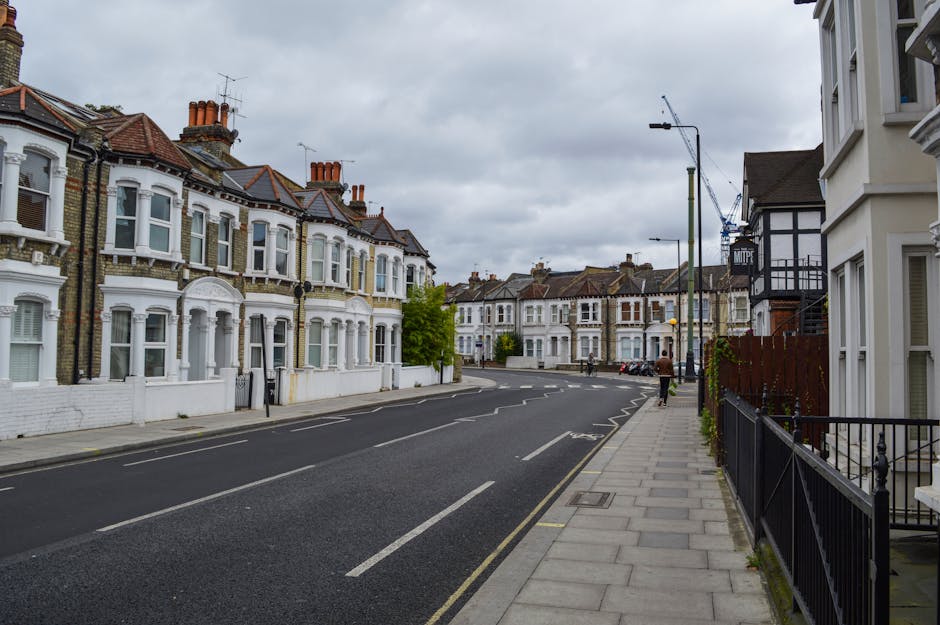
Kennington Road furniture removals and parking permits: a practical local guide
Moving on or near Kennington Road sounds simple enough at first. Then the reality kicks in: narrow streets, permit bays, timing windows, awkward loading space, and a van that needs to stop exactly where everyone else also wants to stop. That is where Kennington Road furniture removals and parking permits become part of the same job, not two separate tasks.
If you are moving a sofa, a bed, a dining table, or the contents of a whole flat, parking can decide whether the day feels calm or chaotic. A good move is not just about lifting furniture carefully. It is about planning where the vehicle will stop, how long it can stay there, and what happens if the street is busier than expected. In this guide, we will walk through the practical side of moving on Kennington Road, how parking permits fit into the process, and what to do so the whole thing runs smoothly. Straightforward, useful, no fluff.
For a wider look at local moves and services, you may also find the main furniture removals in Kennington page helpful, along with the broader removals in Kennington overview and the more flexible man and van service in Kennington if your move is smaller.
Table of Contents
- Why Kennington Road furniture removals and parking permits matters
- How Kennington Road furniture removals and parking permits works
- Key benefits and practical advantages
- Who this is for and when it makes sense
- Step-by-step guidance
- Expert tips for better results
- Common mistakes to avoid
- Tools, resources and recommendations
- Law, compliance, standards and best practice
- Options, methods and comparison table
- Case study or real-world example
- Practical checklist
- Conclusion
- Frequently asked questions
Why Kennington Road furniture removals and parking permits Matters
Kennington Road sits in a part of London where parking is often limited, loading space can be tight, and traffic can change fast through the day. That matters because furniture removals rely on one thing above almost everything else: access. If the removal vehicle cannot stop close enough to the property, even a short move becomes slower, riskier, and more expensive in practical terms.
Think about what happens when a sofa has to be carried an extra 30 or 40 metres down the street, around a car, then through a narrow entrance, then up a staircase. It sounds manageable until it is the third item, the rain starts, and the lift is being used by someone else. Parking and access are not just admin. They shape the whole day.
This is why local knowledge matters. A move on Kennington Road is rarely about "just turn up and park". It is about understanding bay restrictions, permit zones, single yellow lines, and the difference between a quick load and a longer wait. If you are planning a larger move, the practical side may also connect with house removals in Kennington, flat removals in Kennington, or even office removals in Kennington if you are moving commercial furniture or equipment.
Expert summary: On busy London roads, the parking plan is often as important as the packing plan. If the van can load close to the door, the move is usually quicker, safer, and less stressful for everyone involved.
How Kennington Road furniture removals and parking permits Works
The process usually starts well before moving day. First, you look at the property, the road layout, and the type of vehicle needed. Then you check whether the van can use an existing loading bay, a residents' bay, a paid parking space, or a permit-based arrangement. In some cases, a parking suspension or special access arrangement may be needed, but that depends on local restrictions and the exact street section. Best to check early rather than hope for the best.
For furniture removals, parking permits are used to reduce delay and avoid penalties. The aim is simple: give the removal vehicle a legal place to stop close enough to load and unload efficiently. That can save a surprising amount of time, especially if heavy items are involved or if there are multiple trips between the van and the property.
A typical move on Kennington Road might involve:
- Confirming the address, floor level, access points, and parking restrictions.
- Estimating vehicle size based on the furniture and volume involved.
- Checking whether the van can park directly outside, nearby, or only in a designated bay.
- Making sure any required permit or parking arrangement is in place before the crew arrives.
- Loading items in a sensible order so the heaviest or most fragile pieces go first or last, depending on the route.
- Keeping the move moving, because every extra minute by the road edge can become a real issue in London traffic.
If your move is time-sensitive or you are juggling keys, completions, or tenancy deadlines, the service option matters too. Some people are best served by a full removal services package in Kennington, while others only need a removal van in Kennington for a simple point-to-point job.
Key Benefits and Practical Advantages
Getting the parking plan right gives you more than convenience. It can improve the safety of the move, reduce delays, and help protect both the furniture and the building.
- Shorter carry distances: This matters for bulky items, stairs, and delicate furniture.
- Lower risk of damage: Less time carrying items around obstacles means fewer knocks and scuffs.
- Better schedule control: If the van has a legal place to stop, the team can work without unnecessary interruptions.
- Less stress on moving day: No one enjoys standing on the pavement trying to decide whether the van can stay where it is. Lets face it.
- Cleaner handover at the property: Landlords, neighbours, building managers, and loading bays all tend to be happier when the move is organised.
There is also a financial angle, though it is not always obvious. A poorly planned parking situation can create wasted labour time, missed access windows, or extra trips. Even a small delay can ripple through the day. By contrast, a well-planned move is smoother from the first box to the last chair leg.
If you are comparing service types, it can help to read about man with a van in Kennington and removal companies in Kennington to understand which level of support matches your move size and access challenges.
Who This Is For and When It Makes Sense
This topic is relevant for more people than you might think. It is not just for large house moves or commercial relocations. Any move that depends on road access and safe loading can benefit from proper parking planning.
You are likely to need this if you are:
- Moving from a flat with limited on-street access.
- Relocating furniture from a house on or near Kennington Road.
- Handling an office move with desks, chairs, filing cabinets, or IT equipment.
- Moving at short notice and needing a quick loading plan.
- Working to a tenancy deadline or completion date.
- Moving a heavy or awkward item, such as a wardrobe, piano, or large dining table.
For example, a student moving from a one-bedroom flat might only need a smaller vehicle and a short parking arrangement. A family leaving a larger property may need something more structured, especially if the front door opens directly onto a busy pavement. That is where the right service choice helps too. You can look at student removals in Kennington for smaller, lighter loads, or insurance and safety guidance if you want reassurance around handling and protection.
Truth be told, if you are wondering whether parking planning is worth it, the answer is usually yes. The busier the street, the more it pays off.
Step-by-Step Guidance
Here is a clear way to handle Kennington Road furniture removals and parking permits without overcomplicating things.
1) Check the access before you book
Look at the road, the property entrance, and any obvious restrictions. If you know the van cannot sit directly outside, say so early. That lets the team plan the safest loading route and choose the right vehicle.
2) List the furniture you are moving
Make a rough inventory. Not every spoon and cushion needs a formal list, but the bigger pieces matter. Sofas, beds, wardrobes, mirrors, and appliances affect vehicle size and parking time. If packing is still underway, a good packing and boxes service in Kennington can make the job cleaner and faster.
3) Confirm the likely parking arrangement
Depending on the address, you may need a permit, a loading space, or a controlled stop-and-load arrangement. This is the point where local knowledge pays off. A road that looks fine on paper can be awkward in practice because of delivery traffic, bus activity, or limited bay lengths.
4) Prepare the property
Clear hallways, remove trip hazards, and keep doors propped open where safe. If the lift is involved, let neighbours or building staff know when it will be used. Small preparation steps save time and reduce that slightly frazzled feeling no one wants on moving day.
5) Load in the right order
Heavier items should be handled carefully and positioned so they do not shift during transit. Fragile items should be wrapped and placed where they will not be crushed. A thoughtful load plan also helps if the van has to move before unloading is complete.
6) Keep a little flexibility
London roads do what London roads do. Traffic builds, someone blocks a bay, a delivery lorry appears out of nowhere. A calm buffer in the schedule helps. Not a huge one, just enough to avoid panic.
7) Finish with a quick check
Once everything is out, check the rooms, cupboards, and behind doors. People often leave one charger, one tool, or one oddly important kitchen drawer behind. It happens all the time.
Expert Tips for Better Results
Good removals are often won or lost in the small details. Here are the practical habits that make a real difference on Kennington Road.
- Book parking planning early: Do not leave it until the day before. Local restrictions can be more fiddly than they look.
- Choose the right vehicle size: A smaller van may be easier to park, but too small a van can create extra trips. Balance matters.
- Measure the awkward items: Wardrobes, sofas, and large beds can catch you out, especially on stairwells and tight turns.
- Protect floors and doorframes: On older properties, little dings happen fast if no one is careful.
- Keep neighbours informed where sensible: A quick heads-up can prevent someone parking in the loading spot or blocking access.
- Label boxes clearly: The right label saves time when unloading, and it avoids that "where does this go?" moment.
One small but useful tip: keep essentials separate. Keys, phone charger, paperwork, kettle bits, medication, and the kettle itself if you are moving into a new place. There is always a box that goes missing for six hours and somehow contains the one thing you need first.
If you are still comparing service options, the services overview is a sensible place to see how different moving support fits together, especially if you need a combination of transport, loading help, and storage.
Common Mistakes to Avoid
Most moving problems are predictable in hindsight. The challenge is spotting them before the van arrives.
- Assuming parking will sort itself out: It rarely does, particularly on busy roads.
- Underestimating loading time: A few extra boxes, a tricky stairwell, or a missing lift can slow the day down.
- Using the wrong service type: A simple van job is fine for some moves, but not if the access or volume is more complicated.
- Forgetting about building rules: Some blocks have timed access, lift bookings, or noise considerations.
- Not checking furniture dimensions: If a sofa will not turn the stairwell corner, the removal team needs to know before arrival.
- Leaving permit arrangements too late: That can mean unnecessary stress, and sometimes avoidable costs.
There is also a quieter mistake that people make: assuming every move should be handled the same way. A one-bed flat, a family house, and a small office all need different thinking. Same street, different game.
Tools, Resources and Recommendations
You do not need a mountain of equipment to move well, but a few basics make the day much easier.
- Measuring tape: Handy for checking sofa widths, wardrobe depth, and stairwell clearances.
- Strong boxes and tape: Better to use a few good boxes than too many weak ones.
- Furniture blankets and wraps: Useful for protecting wood, glass, and painted surfaces.
- Labels or marker pens: They save time when you are tired and everything looks identical.
- Parking notes: Simple written notes about access, bays, and timing can prevent confusion on the day.
For people moving bigger or more delicate items, specialist support can be sensible. A piano removals service in Kennington is a good example. Pianos are heavy, awkward, and far more delicate than they look, and a parking plan matters even more when extra handling is needed.
It can also be worth thinking ahead about what is staying and what is going. If you are downsizing, renovating, or in between homes, short-term storage in Kennington can take the pressure off. Sometimes the best move is not to force everything into one day.
Law, Compliance, Standards and Best Practice
Parking and removals in London can involve local rules, street restrictions, property access rules, and general road safety responsibilities. The exact position depends on the address and the relevant local arrangements, so it is always wise to verify the current rules for the specific location rather than rely on assumptions or last year's memory.
From a best-practice point of view, the key points are fairly consistent:
- Do not obstruct traffic or pedestrian access unnecessarily.
- Use any permits, bays, or loading spaces honestly and correctly.
- Plan for safe lifting and carrying, especially on stairs and narrow entrances.
- Communicate clearly with the removal team and with the property contact where needed.
- Keep risk in mind for glass, antiques, artwork, and heavy appliances.
For customers, the practical takeaway is simple: a properly planned move is usually safer and less stressful than a rushed one. If you want to understand the standards a reputable mover should work to, reading the health and safety policy and accessibility statement can be reassuring. These pages help set expectations around considerate service and careful handling.
And yes, proper insurance matters too. Furniture removal always involves a little risk just because heavy objects and stairs are never best friends.
Options, Methods and Comparison Table
Different moves call for different approaches. Here is a simple comparison to help you think it through.
| Option | Best for | Parking impact | Typical advantage |
|---|---|---|---|
| Man and van | Small to medium moves, a few bulky items, flexible timing | Often easier to park because the vehicle is smaller | Quick and practical for simpler jobs |
| Full furniture removals service | Larger house or flat moves with more items and more handling | Requires more careful planning, especially on busy roads | Better support for heavy lifting and coordination |
| Same-day removals | Urgent moves, sudden schedule changes, short-notice requirements | Needs fast access planning and clear communication | Useful when time is tight |
| Storage-assisted move | Downsizing, staging, delayed completion, temporary overflow | Parking is still relevant, but the move may be split into stages | Reduces pressure on one single moving day |
If you are facing a tight deadline, you might also compare this with same-day removals in Kennington. That can be a lifesaver when plans change quickly, though it still needs careful access planning. There is no magic, unfortunately. Just good organisation.
Case Study or Real-World Example
Imagine a tenant moving from a second-floor flat near Kennington Road into a new place a few streets away. The furniture includes a bed frame, mattress, desk, sofa, kitchen boxes, and a bike. Nothing outrageous, but enough to make the day awkward if parking is wrong.
In this scenario, the first question is not "how many boxes?" It is "where can the van stop without causing a problem?" If the vehicle has a legal loading position close by, the team can get the bulky items out first while the hallway is clear. The move becomes a controlled sequence rather than a constant shuffle back and forth.
Now compare that with a version of the same move where parking is guessed rather than planned. The van arrives, circles once or twice, stops farther away than expected, and the crew has to carry the sofa uphill a bit, around another parked car, then through a narrow doorway. It is still possible, of course. But the rhythm is off from the start, and that always shows up later.
This is why local removals are often about reducing friction. A good mover does not just transport furniture. They remove the little obstacles that make moving feel harder than it needs to be.
Practical Checklist
Use this before moving day. It keeps the small things from becoming big ones.
- Confirm the full address and access details.
- Check whether Kennington Road parking or loading restrictions affect the van.
- List all large and fragile furniture items.
- Measure anything awkward, heavy, or unusually wide.
- Decide whether you need a van, full removals support, or storage.
- Prepare boxes, tape, labels, and protective wrapping.
- Clear hallways, stairs, and door thresholds.
- Notify building managers or neighbours if needed.
- Keep keys, documents, chargers, and essentials separate.
- Review insurance and safety arrangements before the move begins.
If you are still in the planning stage, you can also read more about pricing and quotes so you know how the moving plan and the parking plan fit into the overall job.
Conclusion
Kennington Road furniture removals and parking permits are really about one thing: making access work in a place where space is limited and timing matters. When the parking side is handled properly, the removal itself becomes calmer, faster, and much less likely to turn into an all-day headache.
Whether you are moving a single sofa, a full household, or a small office setup, it pays to think ahead about the street, the vehicle, the timing, and the exact route from door to van. That planning does not make the move glamorous. But it does make it easier. And honestly, that is what most people want on moving day.
Get a free quote today and see how much you can save.
To learn more about the team behind the service, take a look at the about us page. If you value a move that feels organised, respectful, and properly thought through, you are in the right place.
Frequently Asked Questions
Do I need a parking permit for furniture removals on Kennington Road?
Sometimes, yes. It depends on the exact location, the time of day, and the type of parking or loading space available. For some addresses, a permit or another parking arrangement is needed to keep the van legally close to the property.
How far in advance should I sort out parking for a move?
As early as you can. Leaving it until the last minute creates avoidable stress, especially in a busy London area where restrictions can affect where the van stops.
Can a man and van service handle parking on Kennington Road?
Yes, if the access plan is realistic for the vehicle size and the job. A smaller van can be easier to place legally, but it still needs a clear plan if the road is busy or restricted.
What happens if there is no space directly outside my property?
The move may still go ahead, but the team could need to park farther away and carry items a longer distance. That usually takes more time and increases the physical effort involved.
Is it better to use a full removals service or a smaller van?
It depends on how much you are moving and how awkward the access is. A smaller job may suit a van, while a larger or more complicated move may be better handled with a fuller removals service.
Do parking issues make a move more expensive?
They can, indirectly. Poor access can add time and complexity, which may affect the overall job. The cleanest way to avoid that is to plan parking properly before moving day.
Can you move large furniture from a flat near Kennington Road?
Yes, but the route matters. Staircases, lifts, tight corners, and parking all affect how easy the move is. Flat moves often benefit from a careful access check before the team arrives.
What should I tell the removals team before the move?
Tell them the property type, the number of rooms, any large or fragile items, and any parking or access restrictions. The more accurate the picture, the smoother the move will be.
How do I protect my furniture during the move?
Use proper wrapping, sturdy boxes, and good loading practice. Fragile pieces should be padded, and large items should be secured so they do not shift in transit.
Can storage help if parking or timing is tight?
Yes. If you are not ready to move everything in one go, storage can split the pressure across two stages. That can be very useful during renovations, delays, or downsizing.
Do removal companies help with parking planning?
Good ones usually do, or at least guide you through what is needed. It is worth asking early so there are no surprises on the day.
What is the biggest mistake people make with local removals?
Assuming access will be simple. On a road like Kennington Road, a few minutes spent on parking planning can save a lot of hassle later. Small detail, big difference.